

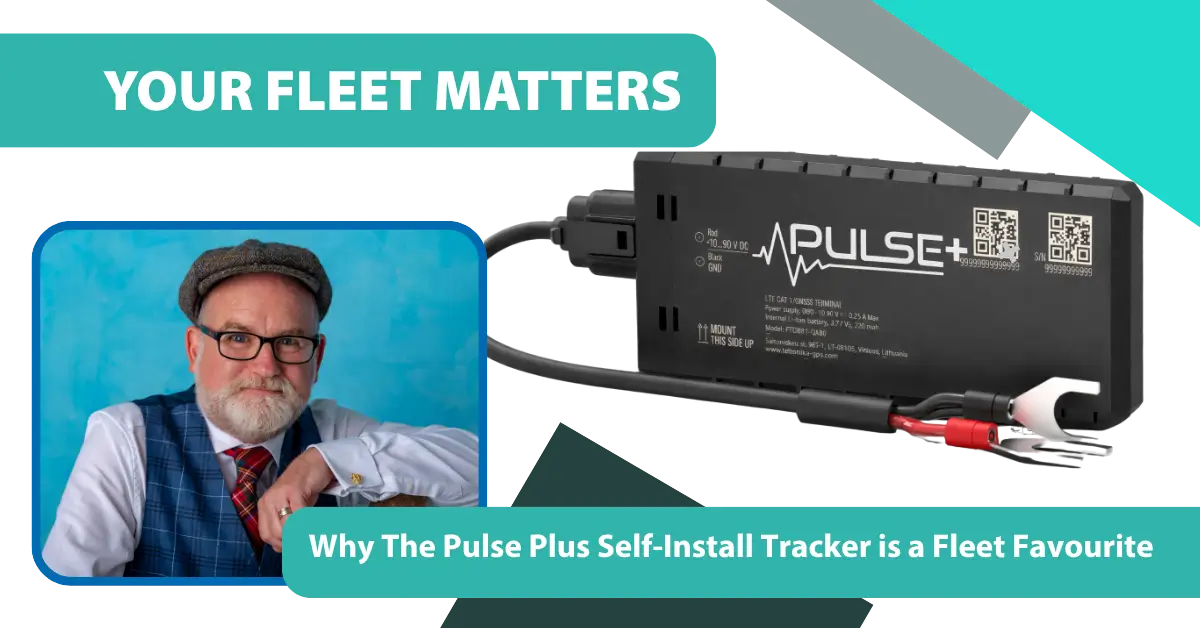
Why The Pulse Plus Self-Install Tracker is a Fleet Favourite
The Pulse Plus Checklist, Your Fleet Matters Guide by Steve Clarke, Marketing Manager
Is a Self-Install Vehicle Tracker Right for Your Business?
Deciding on a vehicle tracking system often feels like a choice between high-tech features and the logistical headache of getting them installed. For many UK businesses, the traditional model of booking an engineer is the biggest hurdle to better oversight. If you’re looking for rapid deployment, a self-install unit is likely the smartest move. It allows you to get a new vehicle or piece of plant machinery secured the moment it arrives on your site without waiting for a third-party schedule to clear.
By choosing a self-install path, you gain several immediate advantages:
- Eliminate installation fees: You save the upfront cost of professional fitting for every single asset.
- Instant deployment: You don’t have to wait days or weeks for an appointment.
- Asset flexibility: You can easily move the tracker if you sell a vehicle or rotate your fleet.
- Low-cost entry: It’s an accessible way to start using telematics without a massive initial investment.
The SME Advantage: Saving Time and Money
Every hour your vehicle sits in a yard waiting for an installer is an hour of lost revenue. For small and medium-sized enterprises, this downtime is more than just an inconvenience; it’s a direct hit to the bottom line. The Pulse Plus Waterproof Vehicle Tracker removes this friction entirely. Because there’s no complex wiring involved, you can manage your fleet expansion yourself. As you grow, you simply add more units to your vehicle tracking dashboard. It’s a supportive way to scale, keeping you in control of your budget whilst avoiding the stress of coordinating with external technicians.
When to Choose Pulse Plus Over Standard Units
While standard self-install units are excellent for protected environments like a van’s cab, the Plus version is built for the elements. It’s the firm favourite for construction firms because it’s designed to live outdoors. The IP-rated housing is the defining feature here. It provides a robust shield against dust and high-pressure water jets, which is vital for equipment that spends its life on muddy sites or exposed trailers.
Compatibility is another reason to opt for the Plus model. It supports up to 30V, which means it handles the higher voltage of heavy machinery batteries just as easily as a 12V car battery. If your fleet is a mix of standard vehicles and heavy plant, this tracker offers a unified solution. You won’t need different systems for different assets; instead, you get a reliable, waterproof tool that works across your entire operation, ensuring you always have total visibility, no matter the weather or the terrain.
Compatibility Checklist: Will Pulse Plus Fit Your Fleet?
Before you commit to any new hardware, you need to be certain it actually fits your operational reality. The Pulse Plus Waterproof Vehicle Tracker is designed to be a universal fit, but a quick check of your fleet’s specific power setup ensures a smooth rollout. Most standard cars and vans run on 12V systems, but when you move into the territory of heavy plant and commercial haulage, requirements often change. You want a tool that adapts to your equipment, not the other way around.
From Vans to Heavy Plant: Voltage Matters
This unit is a favourite amongst fleet managers because it supports up to 30V. This wide range makes it just as comfortable on a tractor or an HGV as it is on a small transit van. It’s built to handle the power surges that often occur when starting up large diesel engines, providing a level of electrical resilience that cheaper alternatives lack. If you’re managing a mixed fleet, this versatility means you don’t have to juggle multiple hardware types or worry about blowing a fuse on larger machinery.
To ensure a perfect match, run through this quick compatibility check:
- Check battery voltage: Confirm your asset operates between 10V and 30V.
- Locate terminals: Ensure you have clear access to the battery without needing to strip back major components.
- Verify asset type: Decide if you’re tracking powered vehicles or trailers that rely on a tractor unit for power.
- Assess mounting space: Identify a flat, secure surface near the battery where the unit can sit undisturbed.
The Two-Wire Connection Simplified
You don’t need a degree in electrical engineering to get this up and running. The setup involves a simple two-wire connection to the positive and negative terminals. It’s a clean, straightforward process that bypasses the need for complex looms or tapping into the vehicle’s ECU. This simplicity is vital for long-term reliability. By securing the unit directly to the battery, you create a connection that is highly resistant to the constant vibrations found on construction sites or rough farm tracks.
The two-wire system is universal, meaning it isn’t tied to specific Type 2 ports or proprietary connectors. This makes it an excellent choice for older machinery or specialised equipment that doesn’t follow standard OBDII layouts. When you’re mounting hardware externally, The Durability Checklist becomes your best friend. It helps you understand how the IP rating protects the internals from the grit and grime of British roads. If you’re ready to see how these units can streamline your oversight, you can check our latest deals to get started today.
The Durability Checklist: Weatherproof and Rugged
British weather doesn’t play fair. If your machinery is sitting in a muddy field or on an exposed site, it’s facing rain, sleet, and freezing temperatures. The Pulse Plus Waterproof Vehicle Tracker is designed specifically for these conditions. It’s not just about keeping the rain out; it’s about making sure the device keeps working when it’s covered in grit or doused in high-pressure water during a cleaning session. A tracker that fails because of a bit of damp is a liability you don’t need.
Before you mount a device externally, use this durability checklist to ensure it’s up to the task:
- IP Rating: Does the casing provide a certified seal against fine dust and powerful water jets?
- Chemical Resilience: Is the housing robust enough to withstand contact with engine oil, grease, or diesel?
- Temperature Range: Will the battery and internal circuitry survive a hard UK frost or a heatwave?
- Vibration Resistance: Is the unit built to handle the constant rattling of a trailer or heavy tractor?
Why Waterproofing is Non-Negotiable for Plant
Exposed machinery is a tough environment for electronics. Moisture ingress is the primary reason standard tracking units fail. Once water gets inside, it corrodes the delicate GPS components, leading to signal dropouts or total hardware failure. The Pulse Plus Waterproof Vehicle Tracker acts as a permanent seal against the elements. This ensures that even in the middle of a torrential downpour, your location data remains accurate and consistent. Signal strength is also maintained because the internal antenna is shielded from dampness, which can often interfere with radio frequencies in lesser units.
Protecting Assets on Construction Sites
Plant machinery is a prime target for thieves in the UK because it’s high-value and often left in remote locations. Having a rugged unit gives you a significant advantage in recovery. Because the Pulse Plus is so compact and durable, it can be mounted in covert locations where a thief wouldn’t think to look. It stays functional even if the machine is put through heavy use, giving you peace of mind that your security measure won’t fail when you need it most. You can set up geofence alerts that trigger the moment an asset leaves a designated area. This proactive approach to tracking is what transforms a simple piece of hardware into a comprehensive security shield for your business. It’s about maintaining control over your equipment, even when you aren’t on-site to watch it yourself.
Installation Pulse Plus Checklist: 5 Minutes to Live Tracking
The real value of a self-install system is that you’re entirely in charge of the timeline. You don’t need a toolbox the size of a van to get started; a simple spanner is usually the only tool required. Before you begin, ensure the engine is switched off completely. It’s a basic safety step that also protects the vehicle’s electrical system whilst you work. You should also take a moment to clean the battery terminals. Removing grit or light corrosion ensures a solid electrical contact, which prevents the Pulse Plus Waterproof Vehicle Tracker from losing power during heavy transit.
Follow these quick steps to secure your hardware:
- Prepare the surface: Wipe down the area where the unit will sit to ensure the adhesive bond is strong.
- Position the unit: Place it in a location with a relatively clear view of the sky for the best GPS signal.
- Secure the device: Use the provided heavy-duty adhesive or high-strength cable ties to prevent movement.
- Check the leads: Ensure the wires are tucked away and won’t be pinched by the bonnet or battery cover.
Step-by-Step: Connecting the Terminals
The two-wire connection is designed for speed and reliability. First, identify the positive terminal, which is usually marked with a plus sign or a red cover. Attach the red wire from the tracker to this terminal and tighten the nut securely. Next, attach the black wire to the negative terminal for grounding. It’s vital to ensure these connections are tight; loose wires are the most common cause of intermittent signal loss. Once the leads are fixed, the unit will draw a tiny amount of power to boot up and start searching for a satellite link. This process is much simpler than traditional hard-wired units that require tapping into the vehicle’s internal loom.
Verifying Your Signal in the App
Once the physical work is done, the focus shifts to your mobile screen. You can download the tracking app for both Android and iOS devices. After logging in, you’ll see your KPI dashboard, which should now show your new asset as a live, active icon. This is the moment you gain total visibility. You can immediately set up your first customisable Geo-zone. This allows you to draw a virtual border around your yard or a specific construction site. If the asset crosses that line, you’ll get an instant alert on your phone. It’s a straightforward way to add a layer of security to your operations without needing a complex software manual. If you’re ready to secure your machinery, you can explore our full range of vehicle tracking solutions to find the right fit for your fleet.
The Management Checklist: Getting the Most from the Data
Fitting the hardware is only the first half of the journey. Once your Pulse Plus Waterproof Vehicle Tracker is live, the focus shifts to the intelligence it generates every single day. Having total visibility over your fleet is a powerful tool, but the real value lies in how you use that data to sharpen your operations. It’s about moving from a reactive state to a proactive one, where you’re making decisions based on facts rather than guesswork.
To ensure you’re squeezing every bit of value from your system, follow this management checklist:
- Review trip history: Use the included 6-month history to spot inefficient routes or unnecessary detours.
- Schedule automated reports: Set up weekly email summaries so you can review fleet performance without even logging in.
- Manage maintenance: Organise reminders for MOTs and routine servicing to ensure your equipment stays legal and safe.
- Identify idling: Monitor how long engines are running whilst stationary to cut down on fuel waste.
Harnessing HERE Maps for Precision
Precision is non-negotiable. We use industry-leading HERE Maps to power our platform because accuracy is what builds trust between you and your customers. If your mapping software isn’t up to scratch, you’ll find yourself dealing with inaccurate ETAs and frustrated clients. This integration allows you to see road-specific speed exceptions, which helps you understand if a driver is actually speeding or just following the flow of a specific bypass. Real-time data means you can manage expectations effectively, providing your customers with honest updates on exactly when their equipment or delivery will arrive.
Improving Driver Behaviour and Safety
Telematics data isn’t just about tracking a dot on a screen; it’s a supportive tool for your team. By monitoring behaviour like harsh braking or rapid acceleration, you can identify where a driver might need a bit of coaching. This isn’t about catching people out. It’s about reducing wear and tear on your vehicles and lowering your overall insurance risk. Safe driving is efficient driving, and when your team knows the Pulse Plus Waterproof Vehicle Tracker is there to help them stay safe, the whole culture of your fleet improves. You can discover more about vehicle tracking solutions to see how these safety metrics can be tailored to your specific business needs. When you have this level of oversight, you aren’t just managing a fleet; you’re protecting your most valuable assets and your reputation at the same time.
Ready to Secure Your Entire Fleet Today?
Gaining total visibility over your operations doesn’t have to be a logistical nightmare. By choosing a self-install path, you skip the engineer appointments and get straight to the data that matters. Whether you’re managing delivery vans or heavy machinery on a building site, the Pulse Plus Waterproof Vehicle Tracker offers a reliable way to stay connected to your equipment without the typical upfront fees or fleet downtime. It’s built to handle the higher 30V requirements of plant machinery whilst surviving the worst of the British weather thanks to its IP-rated housing.
You’ve seen how simple the setup is and how much intelligence you can pull from the mobile app. Now is the time to put that control back into your hands and protect your high-value assets from theft and inefficiency. You can Get the Pulse Plus Self-Install Tracker from £9.95 and start optimising your business today. We’re here to help you every step of the way as you build a more secure, efficient fleet.

The Pulse Plus Checklist: Frequently Asked Questions
Do I need a professional to install the Pulse Plus tracker?
You don’t need a professional engineer to get this device up and running. It’s designed for a quick, two-wire connection directly to your vehicle’s battery terminals. This means you can avoid the cost and downtime associated with booking an installation appointment. Most business owners find they can finish the setup in about five minutes. It’s a straightforward process that puts you in control of your fleet security without any complex wiring.
Will the Pulse Plus work on 24V heavy machinery?
Yes, the Pulse Plus Waterproof Vehicle Tracker is fully compatible with 24V systems commonly found in HGVs and heavy plant machinery. It supports a wide voltage range of up to 30V, making it a versatile choice for mixed fleets. Whether you’re tracking a standard delivery van or a large tractor, the unit handles the power requirements with ease. This flexibility ensures you have a consistent tracking solution across all your high-value equipment.
Is the Pulse Plus tracker really waterproof?
It’s built with a rugged, IP-rated housing specifically designed to withstand harsh outdoor environments. This means the internal GPS components are protected against dust and powerful water jets. You can mount it externally on trailers or exposed machinery without worrying about the British weather causing a failure. It’s a durable solution that stays functional even when doused in mud or cleaned with high-pressure washers on a busy construction site.
Can I move the Pulse Plus between different vehicles?
One of the biggest benefits is the ability to move the unit between assets whenever you need to. Because the installation is a simple two-wire battery connection, you can easily unscrew the leads and fix them to a different vehicle or piece of machinery. This makes it a perfect choice for businesses with rotating fleets or those who use seasonal equipment. You aren’t tied to a single vehicle for the life of the tracker.
Does the Pulse Plus come with a mobile app?
Yes, you can manage your entire fleet through a dedicated mobile app available for both Android and iOS devices. This gives you the freedom to monitor your assets whilst you’re on the move, providing live location updates and a clear KPI dashboard. The app is designed to be intuitive, so you won’t need to spend hours learning complex software to see exactly where your vehicles are at any given moment.
What maps does the Pulse Plus tracking software use?
The platform utilises industry-leading HERE Maps to provide precise and reliable geolocation data. This integration ensures that the mapping is always up to date and accurate, which is vital for managing customer expectations and providing realistic arrival times. You’ll get a clear, detailed view of your assets’ locations, including road-specific speed exceptions that help you understand the context of your drivers’ behaviour across the entire UK road network.
How far back can I see the vehicle trip history?
You have access to a full six months of trip history included with the service. This allows you to look back at past routes to identify where you can optimise fuel usage or improve driver efficiency. Having half a year of data at your fingertips makes it much easier to spot long-term patterns in fleet behaviour. It’s a supportive feature that helps you make more informed decisions about your daily operations.
Can I set up alerts if a vehicle leaves a certain area?
You can easily set up customisable Geo-zones that trigger an instant alert if an asset enters or leaves a specific area. This is particularly useful for site security, as it lets you know immediately if a piece of plant machinery is moved after hours. These virtual borders are simple to draw on the map within your dashboard, providing you with peace of mind that your most valuable assets are exactly where they should be.